Getting smart about where the epidemic is going
Kuzama pa Kalondo — modernising HIV surveillance in Malawi.

Kuzama pa Kalondo—"Getting Smart".
Kuzama pa Kalondo—"Getting Smart"—is a collaborative research initiative to reimagine HIV surveillance and long-term epidemic monitoring in Malawi and other countries that have achieved substantial progress in controlling the HIV epidemic.
Over the past two decades, countries in Eastern and South Africa have made remarkable at reducing new HIV infections and AIDS-related deaths through effective scale-up of HIV prevention, treatment, and care, placing the country on track to surpass global HIV treatment and viral suppression targets. HIV programme priorities are now turning to how to effectively maintain HIV services and ensure sustained progress controlling the epidemic for decades to come. As HIV programs new infections continue to decline and service coverage gaps are smaller, new approaches are needed to effectively monitor sustained progress, guide strategy adjustments, and identify corrective public health actions when needed.
Vision, mission, and objective.
Vision
To lead sustained HIV epidemic control through smarter surveillance, innovative data systems, and evidence-based decision-making that empower countries to respond effectively to changing epidemic trends and improve the health and well-being of communities.
Mission
To modernise HIV surveillance in Malawi and beyond by combining routine health data, targeted surveillance, and mathematical modelling — turning raw signals into timely, actionable public health insight.
Objective
To institutionalise capacity in data analytics, epidemiology, and mathematical modelling — establishing Malawi as a regional centre of excellence in HIV data science and surveillance innovation.
News and Announcement.

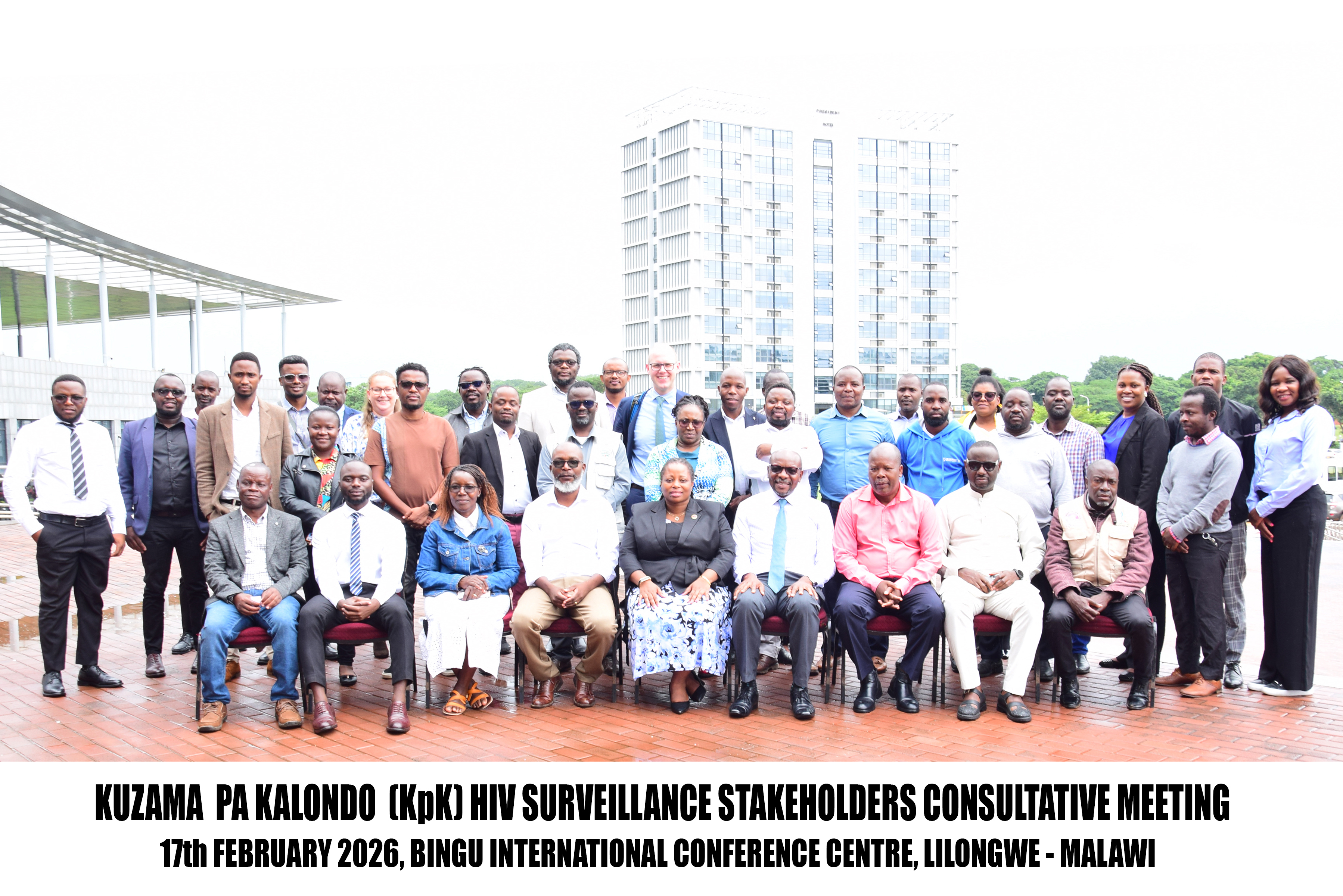
Kuzama pa Kalondo officially launched in Blantyre
Partners from KUHeS, Harvard Chan School, and the Ministry of Health gathered to mark the start of the initiative's surveillance work.
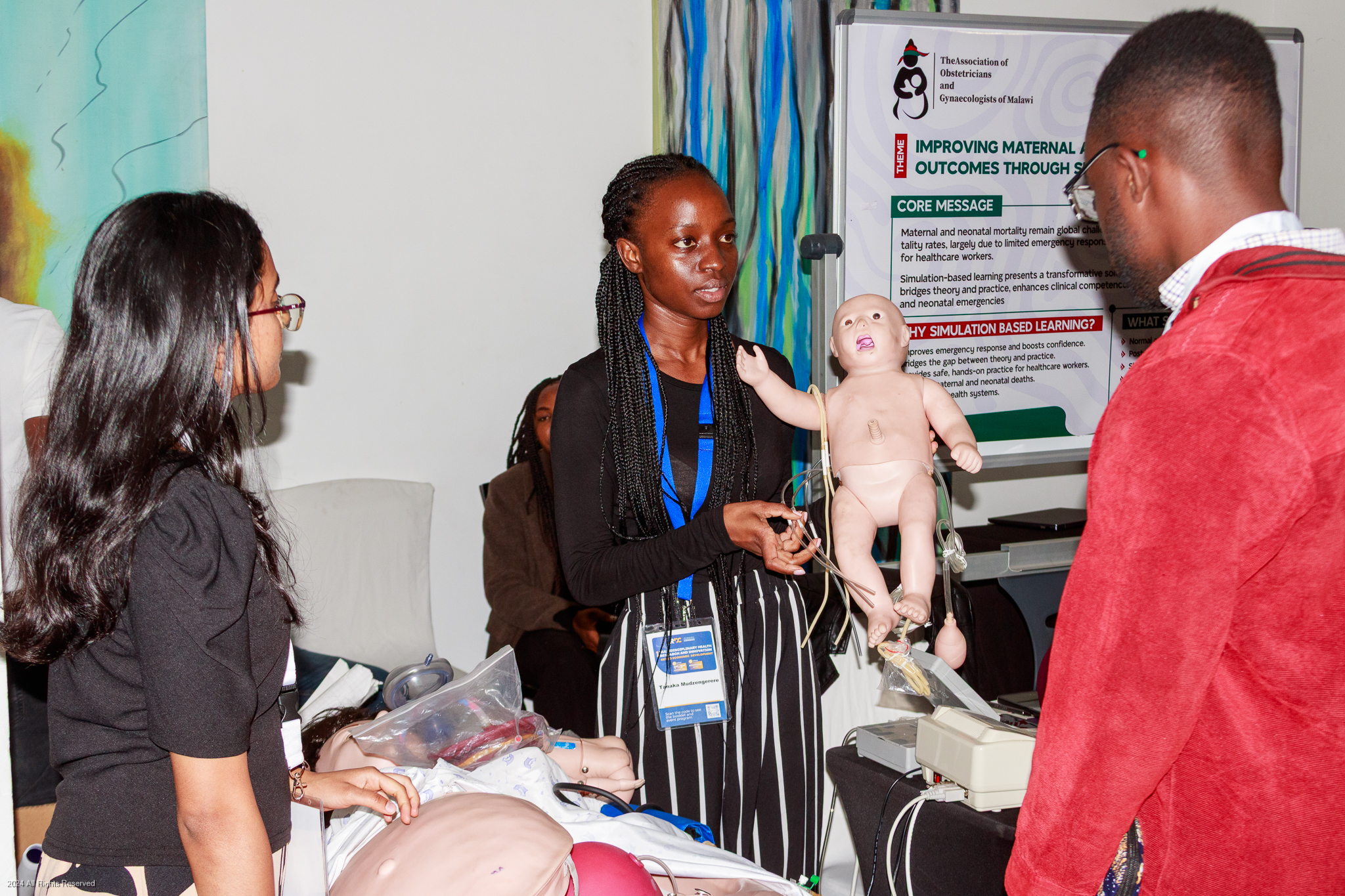
Capacity-building workshop trains first cohort in modelling methods
A two-week training programme brought together epidemiologists and data scientists from across the region.

New brief outlines the case for case-based HIV surveillance
The team's latest policy brief sets out why routine, individual-level data matters for sustained epidemic control.
Five areas of impact.
Surveillance innovation
New methods for case-based, real-time HIV epidemic monitoring.
Data analytics & modelling
Applied mathematical and statistical modelling for public health decisions.
Capacity strengthening
Building local expertise in epidemiology and data science.
Open-source tools
Methods and software built to be reused, not locked away.
Policy & programme support
Evidence packaged for the people who set HIV programme strategy.
Led from Malawi, built with a regional and global network.
The initiative is implemented through a partnership between academic, research, and government institutions in Malawi and beyond.








October 2023 — March 2028.
Initiative launched
Partnership formed and the modernised surveillance strategy takes shape.
Build, test, and scale
Surveillance approaches, modelling methods, and local capacity are developed and refined in-country.
Regional centre of excellence
Malawi positioned as a hub for HIV data science and surveillance innovation, with tools ready to inform programmes globally.